Die globalen Finanzmärkte werden zunehmend von geopolitischen Spannungen und militärischen Konflikten beeinflusst.
Die aktuellen Spannungen im Zusammenhang mit den Konflikten in der Ukraine und im Nahen Osten sowie die strategische Rivalität zwischen den Vereinigten Staaten und China führen zu erheblicher Volatilität auf den Energie- und Rohstoffmärkten, im Verteidigungssektor und innerhalb der globalen Lieferketten.
Diese Seite beobachtet die strukturellen finanziellen Auswirkungen geopolitischer Spannungen und analysiert die wichtigsten Marktdynamiken in den Sektoren, die besonders empfindlich auf Veränderungen der internationalen Lage reagieren.
Structural Impact on Markets
Geopolitical conflicts generally produce three immediate effects on financial markets:
• volatility in energy prices
• increased defence spending
• disruptions to supply chains
Energy markets are particularly sensitive because geopolitical risk can rapidly alter the balance between supply and demand, causing significant price fluctuations.
These shocks are often reflected across global equity, bond and currency markets.
What This Atlas Is — and What It Is Not
Sectors Under Structural Pressure
Current geopolitical tensions are simultaneously affecting several sectors.
Sectors under positive pressure
Defence and aerospace
Energy and LNG
Cybersecurity
Strategic raw materials
During periods of geopolitical instability, military spending tends to increase rapidly, benefiting major defence industry groups and companies involved in strategic infrastructure.
Sectors most exposed to volatility
Consumer discretionary
Air transport
Global logistics
Energy-intensive industries
Capital Flow Signals
Oil price
Natural gas price
Defence budgets
Maritime transport costs
Government bond volatility
Geopolitical tensions can generate sudden energy shocks, directly affecting global markets and industrial costs.
Our Principles
Geographical Risk Map
Financial areas under observation:
Eastern Europe
Middle East energy corridors
South China Sea trade routes
Major maritime logistics hubs
Tensions along the main global trade routes can directly affect transport costs and the stability of international supply chains.
Companies Under Observation
Global Financial monitors companies exposed to capital flows generated by geopolitical tensions, including businesses operating in the following sectors:
energy
defence
strategic logistics
digital infrastructure and cybersecurity
Detailed analysis of individual companies is included in the fortnightly structural briefing.
Risk Scenarios
Three structural scenarios are monitored:
Escalation
Stabilisation
De-escalation
Markets tend to react with high volatility during the initial stages of geopolitical crises, followed by rapid reallocations of capital towards sectors perceived as strategic or defensive.
Conclusions
Capital rotation is not random.
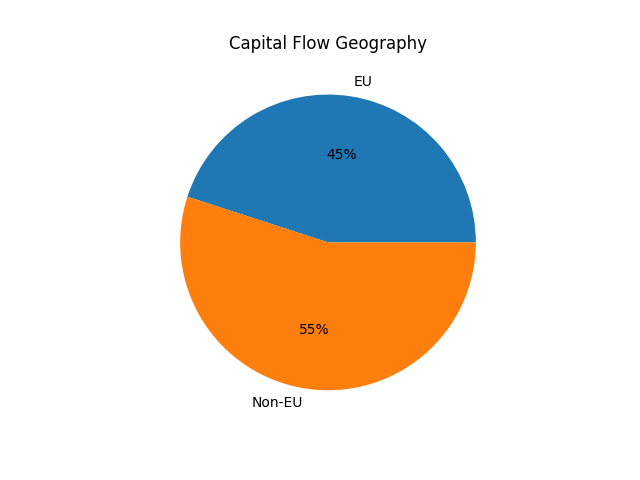
Capital continuously moves between countries, sectors and asset classes according to four fundamental factors:
• geopolitical developments
• monetary policy
• liquidity conditions
• risk perception
Global Financial Atlas does not indicate where to invest.
It shows where capital is concentrated, why it moves and which structural dynamics are shaping the global financial system.
globalfinancialatlas is proudly powered by WordPress